
Photo by Nadi Lindsay on Pexels.com
In the Bible, we come across a number of places where dreams play a role in advancing the story of God’s people. For instance,
- In Genesis 20 God protected Abimelech, king of Gerar, from sleeping with Sarah by means of a dream.
- In Genesis 28 God met Jacob in a dream, revealing to him his presence in the land of Canaan.
- In Genesis 31 the Angel of God told Jacob to leave Laban and return to Canaan.
- In Genesis 37 Joseph has multiple dreams that foretell his future rise to power; in Genesis 40 Joseph interprets the dreams of the cupbearer and the baker; and in Genesis 41 he interprets the dreams of Pharaoh.
In reading these dream accounts, the thoughtful reader may ask—Does God still speak through dreams today? Indeed, throughout the Scripture we find God leading his people with dreams. And today, we hear rumbles that Muslims and others are coming to faith in Christ by dreams.
Put this altogether and we might wonder, what should we think of dreams—in the Bible and today? The answer requires nuance, a full look at Scripture, and especially attention to the changes between the old covenant and the new. Yet, when we keep an eye on all those factors, we can give an open-handed answer to this question. Continue reading
 Here’s the latest
  Genesis 24 is the longest chapter in Genesis. And rather than recounting some revelation about God or some aspect of his covenant with Abraham, it spins a tail of how Isaac got a wife. Indeed, the longest narrative event in Genesis is a love story, one that seems Dickens-like in its profusion of extraneous information.
 One of the great questions about the opening chapters of Genesis is the relationship of the two creation accounts. Are Genesis 1 and Genesis 2 two different accounts? From two different sources? Or is there a rhyme and reason for the repetition and ostensible differences between the six days of creation in Genesis 1 and the formation of Adam and Eve in Genesis 2?
 God’s covenant with Noah is often described as the covenant of common grace, and rightly so. In the wake of God’s judgment on the earth, the heart of humanity remains unchanged (cp. Gen. 6:5 and 8:21), yet for God to bring redemption to the world, some measure of preservation must be granted. Therefore, with strong covenantal language—berith occurs 7 times (vv. 9, 11, 12, 13, 15, 16, 17) in Genesis 9—God promises to uphold creation: “While the earth remains, seedtime and harvest, cold and heat, summer and winter, day and night, shall not cease” (8:22).
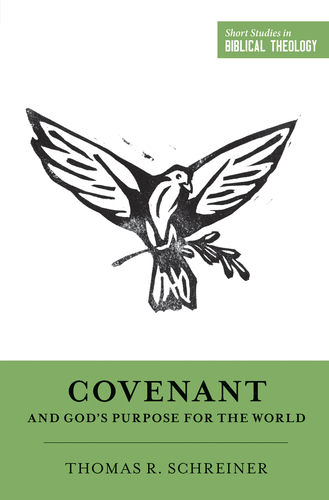 In his short study on biblical covenants,
  Omniscience is a word that describes the reality that God knows everything—everything past, present, and future; everything in heaven or on earth; everything real and everything potential. Everything. But more than just having an encyclopedic knowledge of his creation—which God does—Scripture shows how God’s universal knowledge brings particular blessing and judgment to the world, to those people whom he knows particularly as his own.
 Via Emmaus