Have you ever watched a new movie, where you started 10 minutes before the end?
Many years ago, when big hair was still in style, I was introduced to Back to the Future in this way. My friends were watching this movie and I joined them at point where Doc Brown crashed through garbage cans, warned Marty and his girlfriend about their future children, and drove to a place where “we don’t need roads.”

If you only know the last ten minutes of Back to the Future, however, you won’t understand the significance of the DeLorean, the date (November 5, 1955), the speed (88 miles per hour), or the electricity (1.21 Gigawatts) that makes time travel possible. Nor will you understand the flux capacitor and its cruciform power to rewrite history. All of these details are revealed over the course of the movie and only in watching the movie from beginning to end, can you make sense of its ending.
Something similar happens when we open our Bibles and behold the man hung upon a Roman cross. While many well-intentioned evangelists point to Christ’s cross as the center piece of our Christian faith and the way of our salvation, it is an event in history that only makes sense when you begin in the beginning. That Christ was buried in a garden tomb does more than give us an historical referent; it tells the significance of Christ’s death as the way of God’s new creation, because after all it was in a garden where Adam sinned and brought death to the world. Now, raised from a garden tomb, Jesus as the new Adam has introduced a new way of life.
In this vein, the biblical storyline is necessary for understanding why the Son of God had to die on a tree, be buried in a tomb, and raised to life on the third day. Indeed, even if we know that Christ did not stay dead—that he rose from the grave, walked the earth teaching his disciples for forty days, and ascended to heaven, where he now sits in glory—we cannot make sense of the cross. Or at least, our interest in Christ’s death and resurrection leads us to ask: But what does it mean?
Indeed, the way to understand Christ’s life, death, and resurrection is to place those events in the timeline of God’s redemptive history. That timeline begins in creation, proceeds through the fall of mankind into sin, and picks up countless promises of grace and types of salvation throughout the Old Testament. In fact, to be most precise, God’s plan for Christ’s cross did not begin in space and time; it began before God spoke light into the darkness (Gen. 1:3). As Peter says in his first sermon (Acts 2:23) and his first epistle (1 Peter 1:20), the cross of Christ was the centerpiece of God’s eternal plan for the salvation of his people.
In Scripture, therefore, the cross is the climactic work of God to redeem sinners and rescue the dying. Indeed, while Jesus now reigns in glory, and his victorious resurrection gives assurance that all those who trust in him will have eternal life, it is vital to understand what Christ did on the cross and what it means when Christ said on the cross, “It is finished” (John 19:30).
Continue reading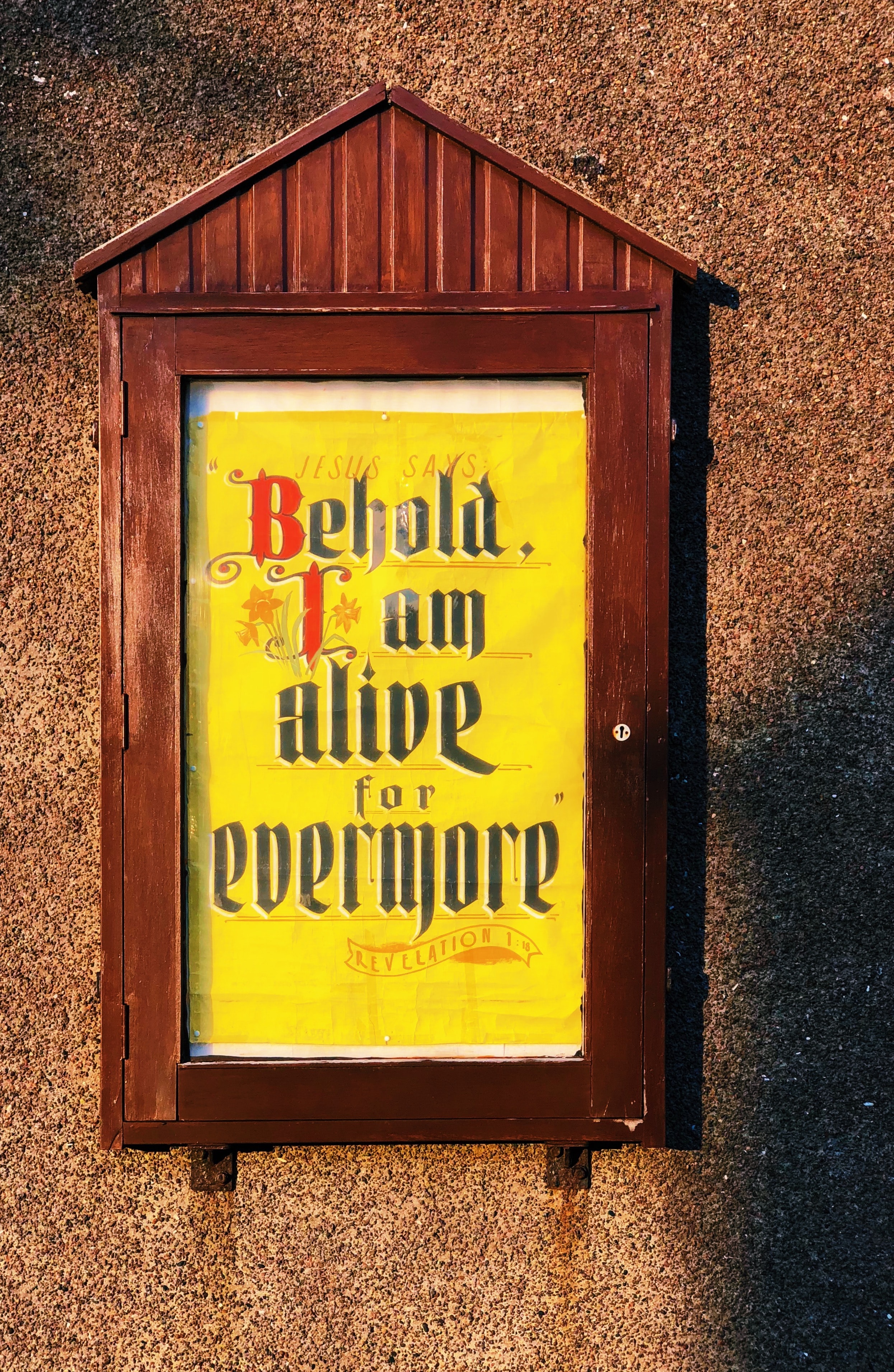 Blessed be the God and Father of our Lord Jesus Christ! According to his great mercy, he has caused us to be born again to a living hope through the resurrection of Jesus Christ from the dead, . . . 23 since you have been born again, not of perishable seed but of imperishable, through the living and abiding word of God.
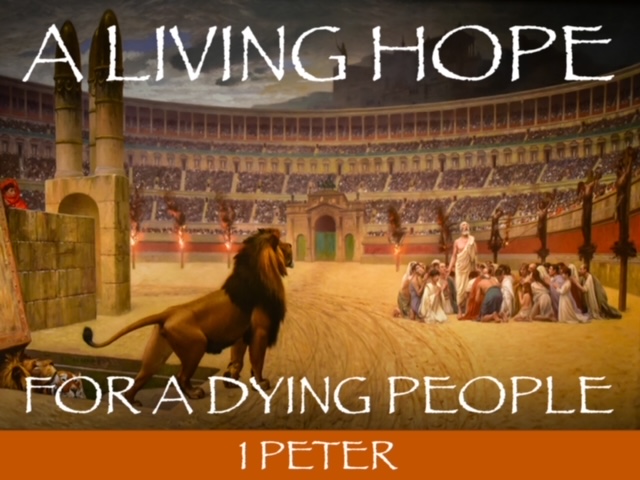 On Sunday, our church began a new series in the book of 1 Peter. Introducing the book, we focused on the salutation (1 Peter 1:1–2), two verses that introduce Peter, the elect exiles, and the triune God from whom all grace and peace come. From this short introduction we discovered a number of things about the book, its author, its setting, and the sovereign grace of God.
 But I am afraid that as the serpent deceived Eve by his cunning, your thoughts will be led astray from a sincere and pure devotion to Christ. 4 For if someone comes and proclaims another Jesus than the one we proclaimed, or if you receive a different spirit from the one you received, or if you accept a different gospel from the one you accepted, you put up with it readily enough.
 I saw in the night visions, and behold, with the clouds of heaven there came one like a son of man, and he came to the Ancient of Days and was presented before him. 14 And to him was given dominion and glory and a kingdom, that all peoples, nations, and languages should serve him; his dominion is an everlasting dominion, which shall not pass away, and his kingdom one that shall not be destroyed.
 Now we know that the law is good, if one uses it lawfully, 9 understanding this, that the law is not laid down for the just but for the lawless and disobedient, for the ungodly and sinners, for the unholy and profane, for those who strike their fathers and mothers, for murderers, 10 the sexually immoral, men who practice homosexuality, enslavers, liars, perjurers, and whatever else is contrary to sound doctrine, 11 in accordance with the gospel of the glory of the blessed God with which I have been entrusted.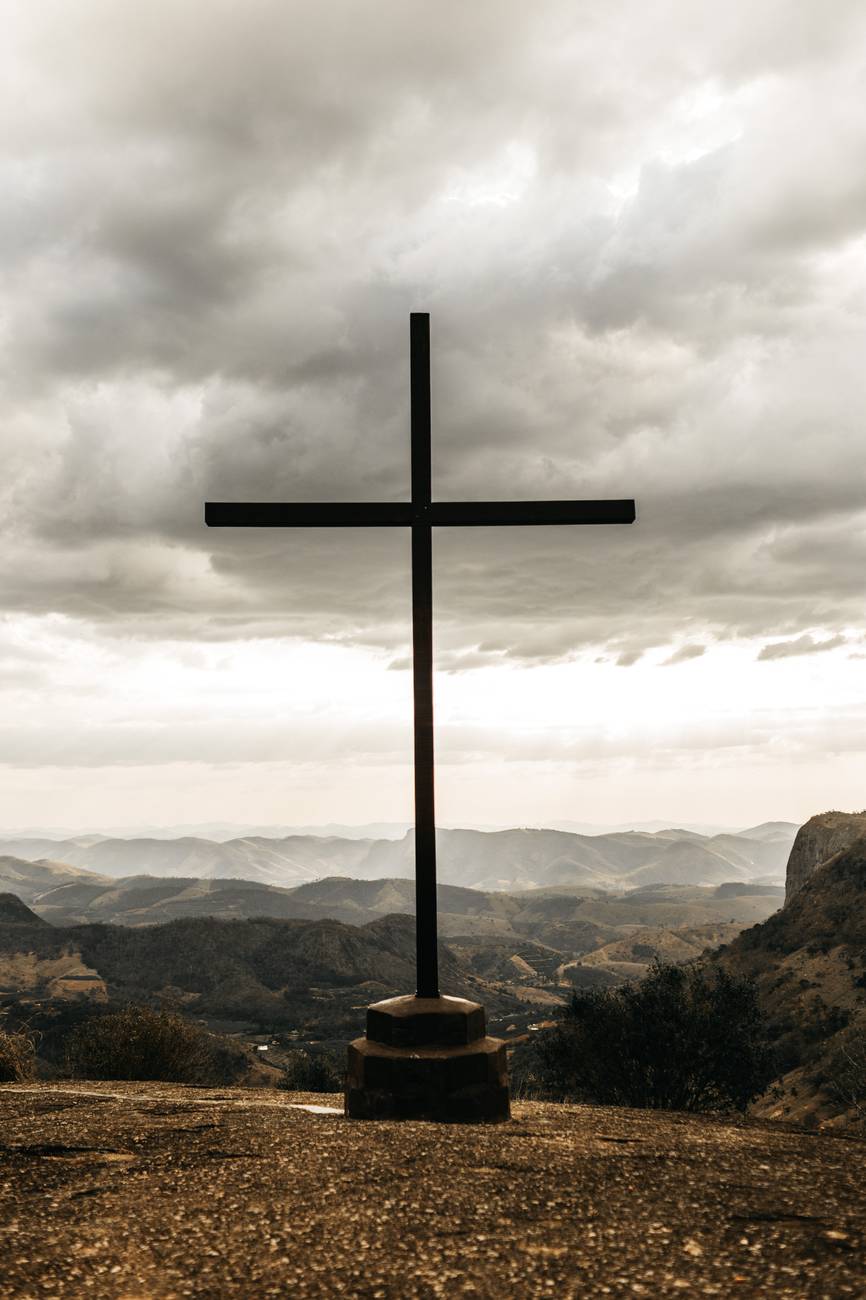
 Via Emmaus