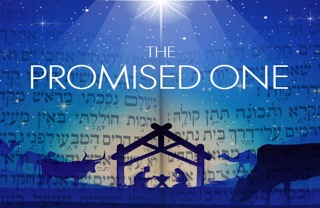
 This week we started a new sermon series through Matthew 1–2. As we celebrate the birth of our Lord, we look to the way Matthew explained his birth as the “fulfillment” of God’s promises of old. For instance, as Matthew writes, Jesus is Son of Abraham and the Son of David (Matthew 1:1), the “Immanuel” promised in Isaiah 7:14 (Matthew 1:23), the royal son born in Bethlehem, the city of David (Matthew 2:6; Micah 5:2), and the child like Israel who God brought out of Egypt (Matthew 2:13–15; Hosea 11:1)—to name but a few.
Matthew’s Gospel begins by introducing who Jesus is and how to read the Old Testament in the light of his coming. So important is this information about the Messiah’s identity, Matthew crafts a 42-person genealogy to identify Jesus. Two years ago, Jared Bridges preached on Matthew 1:1–-17, so we began this year with Matthew 1:18–-25.
In what follows, I have included discussion questions about Sunday’s sermon and resources to consider biblical interpretation and the birth of Jesus Christ. You can listen to or read the sermon on online. Or even better, if you are in Northern Virginia, come join us during this advent season. Continue reading
 The church is more than a holding tank for Christians; it is a family portrait of God’s people. Created and sustained by the gospel, God’s local church, when it abides in the word of Christ, reflects God’s unity, holiness, and love. Yet, such Spirit-empowered characteristics do not come automatically. They must learned from Scripture and taught by the Spirit.
 In 2016 our church has spent the year in 1 Corinthians, at least the first 10 chapters. As we turn our attention to the birth of Lord in just a couple weeks, we took time to review a few aspects of ecclesiology (the doctrine of the church) that we’ve seen in Paul’s letter. For now the debate about Trinity-gender analogies (1 Corinthians 11:3) and head coverings (11:6, 10) will have to wait.
 1
1 
 This morning Ben Purves, our pastor for student ministers,
  Today,
 Via Emmaus