 For a whole year they met with the church and taught a great many people.
And in Antioch the disciples were first called Christians.
— Acts 11:26 —
For the last year I have spent a lot of time thinking about the church. Consequently, when I read books like Acts I am primed to observe ecclesial nuances (read: churchy stuff). That happened today in reading Acts 11:26, where in one verse four different words are used to speak of different (or the same) groups of people. It’s worth noting the language, because it may reveal a thing or two about how we conceive of the church.
In Acts 11 we discover the effects of the gospel spreading into places like Antioch. As verses 19–22 tell, a report of Gentiles coming to faith reached Jerusalem (v. 22). Pre-Jerusalem Council (Acts 15), the church in Jerusalem is still young in their understanding of how the Gentiles might experience salvation. So, verse 22 says, they sent Barnabas to Antioch, where he observes the grace of God in their midst (v. 23).
Upon seeing this newborn church, he goes and collects Saul from Tarsus, and returns to Antioch. This is where our verse picks up: “For a whole year they met with the church and taught a great many people. And in Antioch the disciples were first called Christians.” In that one verse, set in the context of a newly formed church in Antioch, we find four words related to the people of Antioch and their relationship to the gospel. These words are (1) church, (2) people, or many people, (3) disciples, and (4) Christians.
Let’s consider each and what they say to us about the church. Continue reading
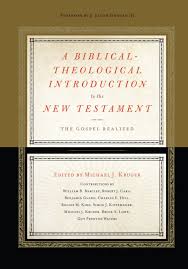 In his
  Now this was written allegorically: these women are two covenants.
 In his illuminating article on Galatians 4:21–31, Matthew Emerson shows how we should learn to read Moses from the Apostle Paul. In a passage that typically is used as an example for how to not read the Old Testament like Paul, Emerson makes the opposite case. And I believe he is exactly right.


 Otherwise, what do people mean by being baptized on behalf of the dead?
 Via Emmaus