
Concerning this salvation, the prophets who prophesied about the grace that was to be yours searched and inquired carefully, 11 inquiring what person or time the Spirit of Christ in them was indicating when he predicted the sufferings of Christ and the subsequent glories. 12 It was revealed to them that they were serving not themselves but you, in the things that have now been announced to you through those who preached the good news to you by the Holy Spirit sent from heaven, things into which angels long to look.
— 1 Peter 1:10–12 —
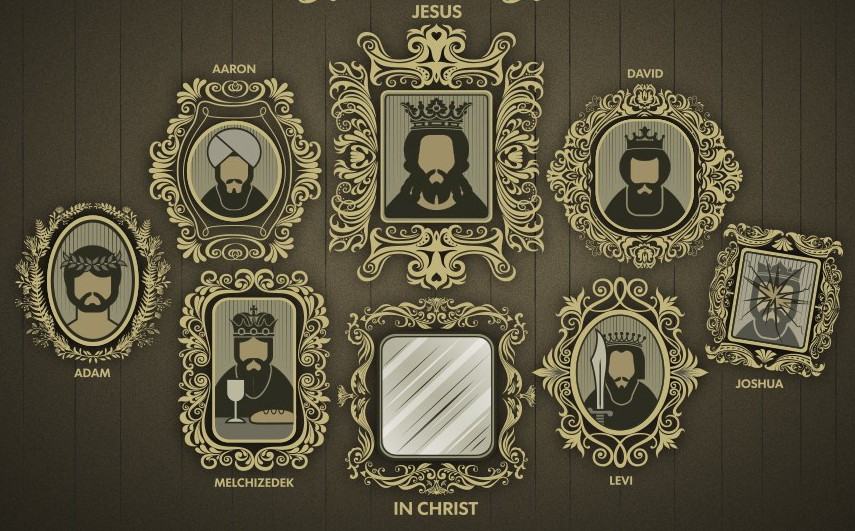
In his commentary on 1 Peter, the late biblical theologian, Edmund Clowney, observes that “Glory is the goal of the Old Testament promises” (56). Indeed, glory is the goal of creation, salvation, and really everything God does in his world. And in 1 Peter 1:10–12, the apostle of Jesus widens his view of salvation to include all the Spirit of Christ revealed to the Old Testament prophets about the coming messiah, from his sufferings and his subsequent glories to the gospel of grace that came from Christ to the elect exiles in Asia Minor.
For us, who read 1 Peter, it is worth our time to ponder all that God has done in redemptive history also. Such a meditation solidifies the foundation on which we stand in Christ and secures us further in times of trial. Indeed, salvation, which comes by faith alone in Jesus Christ, depends upon understanding the Christ of Scripture and not the christ of our sentimental imaginings. With that in mind, we should constantly be rehearsing the high points of the biblical storyline to better know who Christ is and what he did. Continue reading

 Daniel 11 is a challenging passage of Scripture. Primarily, its difficulty rests in the fact that modern, Western readers do not know the history that stands between Daniel and Jesus. Such historical ignorance of about 550 years makes a crucial difference in knowing how to understand this long and complex passage. This is especially true with respect to Antiochus IV, who defiled the Jerusalem in 167 BC by offering unclean sacrifices on the altar, producing what Daniel calls the abomination of desolation. Both Daniel and Jesus speak of this event, and only when we understand how Daniel 11 points to this historical event, based upon God’s heavenly decrees (i.e., the book of truth in Dan. 10:21) can we rightly interpret this passage.
 Who is in control?
 In 1 Chronicles 1–9, the central feature of the genealogy is the priestly service of sons of Aaron and Levi. (See this
 Via Emmaus