9 How can a young man keep his way pure? By guarding it according to your word.
10 With my whole heart I seek you; let me not wander from your commandments!
11 I have stored up your word in my heart, that I might not sin against you.
12 Blessed are you, O Lord; teach me your statutes!
— Psalm 119:9–12 —
With 2021 ending and 2022 approaching, you may be thinking about how to read the Bible in the new year. I hope so. The Word of God is not a trifle; it is our very life (Deut. 32:47). Man does not live on bread alone, but on every word that proceeds from the mouth of God (Deut. 8:3; Matt. 4:4). With that in mind, we should aim to read the Bible and to read it often!
Truly, the Bible is not a book to read once, or even once a year. It is meant to be imbibed and inhabited, adored and adorned, studied and savored. Mastery of the Bible does not mean comprehensive understanding of Scripture; it means ever-increasing submission to the Master who speaks in Scripture. This is why in the closing days of the year, it’s good to consider how we can saturate ourselves with Scripture in the next year.
Personally though, I wonder if our daily reading plans help us with this idea of Scripture saturation. Often, such plans call for reading single chapters from various parts of the Bible. And the daily routine can invite checking the box without understanding the book. So my question has been: Does such reading help us or hinder us in our Bible consumption and consumption? Continue reading

 True religion, in great part, consists in holy affections.
 This Sunday we begin a new sermon series in the book of 1 Peter. And I want share three reasons, even four, for why we are looking at this letter and why this book is so timely. These three reasons come from the outline of the book itself, and will both introduce us to what we will find in Peter’s first letter and how its contents equip us as Christians to live in our day.



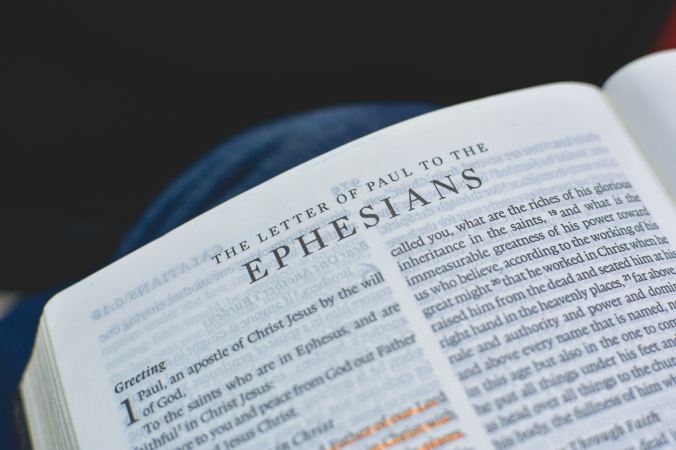 From the pattern of Moses and the Old Testament priests to the teaching ministry of Jesus, biblical exposition has a long track record in redemptive history. In the New Testament, the citation and explanation of Scripture (i.e., biblical exposition) continued. And this is most evident in Acts and Hebrews, the two books we will focus on here.
 Via Emmaus