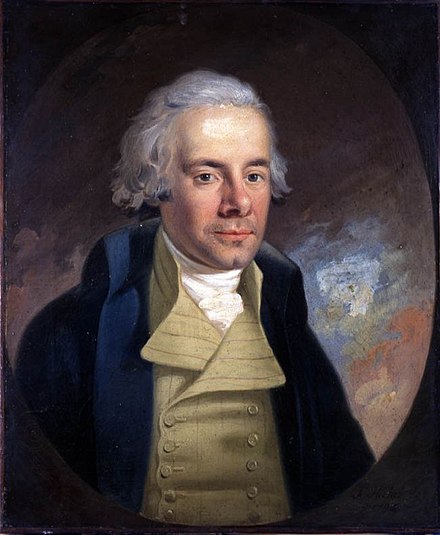
 At 4:00am on February 24, 1807, the British Parliament voted to end the British slave trade. With a count of 267 to 16, the House of Commons voted with loud cheers for the abolition of this abominable institution.
Though it would take another 26 years for slavery to be ended in Britain and its colonies, this decision by the House of Commons, which followed the majority decision of the House of Lords, proved that in the span of 50 years what was unthinkable—namely, the end of the slavery—could be put to an end through a radical change in public and political opinion.
This change raises the question: What led to that remarkable act of liberation? What changed the hearts of the British governors? Was it a war? No, not unless you count the war of words in parliament. Was it a pragmatic argument based upon economics. No, it actually cost Britain a fortune to end slavery. What was it then?
The answer can be given in three words—a man, a mission, and an unusual motivation. Continue reading
 8 For by grace you have been saved through faith. And this is not your own doing; it is the gift of God, 9 not a result of works, so that no one may boast. 10 For we are his workmanship, created in Christ Jesus for good works, which God prepared beforehand, that we should walk in them.
 Via Emmaus