 Now we know that the law is good, if one uses it lawfully
— 1 Timothy 1:8 —
In his classic Systematic Theology, Louis Berkhof outlines three uses of the law,[1]
[The Civil Use of the Law]
The law serves the purpose of restraining sin and promoting righteousness. Considered from this point of view, the law presupposes sin and is necessary on account of sin. It serves the purpose of God’s common grace in the world at large. This means that from this point of view it cannot be regarded a means of grace in the technical sense of the word.
[The Pedagogical Use of the Law]
In this capacity the law serves the purpose of bringing man under conviction of sin, and of making him conscious of his inability to meet the demands of the law. In that way the law becomes his tutor to lead him unto Christ, and thus becomes subservient to God’s gracious purpose of redemption.
[The Normative or Christian Use of the Law]
This is the so-called . . . the third use of the law. The law is a rule of life for believers, reminding them of their duties and leading them in the way of life and salvation. This third use of the law is denied by the Antinomians. (Berkhof, Systematic Theology, 614–615)
Not to be confused with the tripartite division of the Law (i.e., the Moral, Civil, Ceremonial), the three uses of the law are a traditional way Reformed (and other) theologians have explained law and its various uses in God’s plan of salvation.
Observing the way the New Testament, but especially Paul, spoke of the Law positively (Rom. 7:12; 1 Tim. 1:8) and negatively (Rom. 7:5–6; 8:2), this threefold approach shows how God’s law preserved the world from sin (first use), revealed sin and prepared Israel for the gospel (second use), and now continues to purify the Christian by means of Spirit-powered obedience to God’s law (third use). To better understand each aspect of the law, let’s consider each in turn. Continue reading
 How do you know what you know?

 This summer our church looked at Jesus’s words concerning giving. In Sunday School, we studied Randy Alcorn’s helpful little book called

 When reading Matthew 5:21–26, the first of six illustrations from Jesus on how to read and apply the Law of Moses, there are a number of interpretive factors to consider. In fact, we need to consider the meaning of the “anger,” the relationship of the Law-covenant to the Jesus’s fulfillment, and the way Jesus employs imagery from the first recorded murder.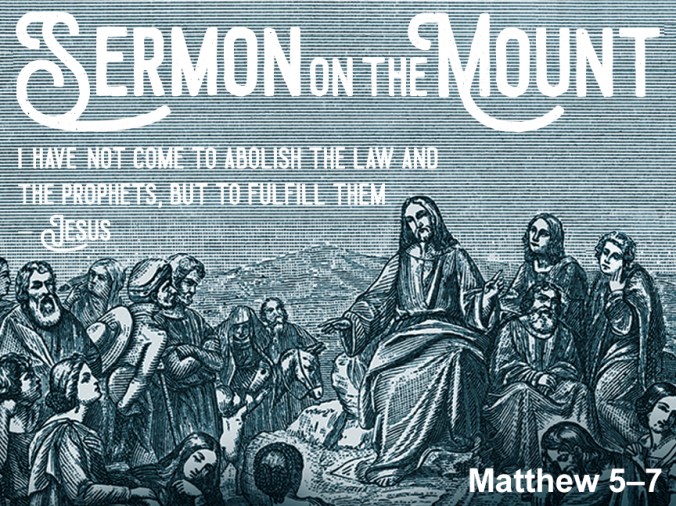
 The Sermon on the Mount is probably the most famous sermon ever preached, and for good reason. Its speaker is the Lord Jesus Christ; its location on a hill overlooking the Sea of Galilee is unique; and its language is both beautiful and profound. Even non-believers are familiar with many of the words Jesus spoke in this sermon.
 Via Emmaus