9 How can a young man keep his way pure?
By guarding it according to your word.
10 With my whole heart I seek you;
let me not wander from your commandments!
11 I have stored up your word in my heart,
that I might not sin against you.
12 Blessed are you, O Lord;
teach me your statutes!
— Psalm 119:9–12 —
With 2019 ending and 2020 approaching, many are thinking about how they might read the Bible in the new year. And rightly so—the Word of God is not a trifle; it is our very life (Deut. 32:47). Man does not live on bread alone, but on the very word that proceeds from the mouth of God (Deut. 8:3; Matt. 4:4). So we should aim to read the Bible and to read it often!
Truly, the Bible is not a book to read once, or even once a year. It is meant to be imbibed and inhabited, adored and adorned, studied and savored. Mastery of the Bible does not mean comprehensive understanding of Scripture; it means ever-increasing submission to the Master who speaks in Scripture. This is why in the closing days of the year, it’s good to consider how we can saturate ourselves with Scripture in the next year.
Personally though, I wonder if our daily reading plans help us with this idea of Scripture saturation. Often, such plans call for reading single chapters from various parts of the Bible. And the daily routine can invite checking the box without understanding the book. So my question has been: does such reading help us or hinder us in our Bible reading? Continue reading
 “Imagine there’s no heaven.”
 And we all, with unveiled face, beholding the glory of the Lord, are being transformed into the same image from one degree of glory to another. For this comes from the Lord who is the Spirit. . . . In their case the god of this world has blinded the minds of the unbelievers, to keep them from seeing the light of the gospel of the glory of Christ, who is the image of God. 5 For what we proclaim is not ourselves, but Jesus Christ as Lord, with ourselves as your servants for Jesus’ sake. 6 For God, who said, “Let light shine out of darkness,” has shone in our hearts to give the light of the knowledge of the glory of God in the face of Jesus Christ.
 Yesterday
 Q. What is the chief end of man?
 God’s people are a people of history. Because our faith stands or falls with the historical events of Christ’s death and resurrection (1 Cor. 15)—not to mention all the historical events leading up to Christ’s advent—Christians are a people who should care deeply about history. Yet, often we don’t.
 Tonight we begin our verse-by-verse study of Hebrews in
  In the Bible we learn that preaching is not the only way God’s Word is communicated. In the Old Testament, the Levites are seen explaining the Law to the people of Israel (Nehemiah 8:7–8). And in the New Testament, Paul says of his ministry, “I did not shrink from declaring to you anything that was profitable, and teaching you in public and from house to house” (Acts 20:20).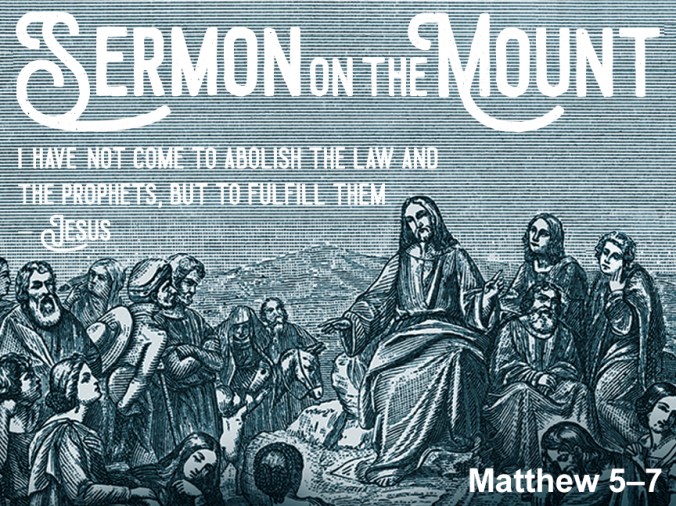
 Via Emmaus