 In discussions about salvation and interpretation of the Old Testament, two related questions are often asked.
- How were the Old Testament saints saved? Or, in whom or what did they believe?
- How much did the Old Testament know about the coming Christ?
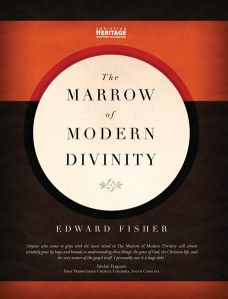
Recently, in reading through The Marrow of Modern Divinity by Edward Fisher, I came across a succinct, if slightly archaic, answer to these questions. In conversation form, Fisher explains how the Old Testament saints beheld Christ through the types and shadows of the Law. In short, he answers that the salvation we possess is of a piece with those under the old covenant. There are not two ways of salvation, but one, as Hebrews 11 suggests.
The difference between Israel and the church (which is today composed of Jews and Gentiles) is less about how they are saved, but how they came to know the one savior, Jesus Christ the Son of God. The former saw Christ through a veil of old covenant shadows and types; the latter have seen him in the substance of his person and work, now proclaimed through the witnesses of his apostles.
As always, such questions require elongated consideration about the whole Bible. But for short answers, what follows helpfully explains how the Old Testament saints beheld Christ. Continue reading
 To read something canonically means reading something as a unified whole, instead of fragmenting the book or letter into dozens of independent (or worse, divergent) pieces. Reading canonically seeks to understand the author’s intention, by recognizing the literary shape of his document. It is aware of the genre of the composition, but even more it looks at the internal evidence to see what is there. When reading books in the Bible, this way of reading is challenging, but always well-repaid. By seeing the literary shape of the text, we come much closer to understanding the meaning of the message.
 [This morning I teach the men of our church about three horizons in biblical interpretation. Here are the
 Via Emmaus