
“He hurls down his crystals of ice like crumbs;
who can stand before his cold?”
— Psalm 147:17 —
As we sit in Northern Virginia under blue skies and a blanket of snow, we wait for roads to be cleared and power to return. Yesterday, in less than six hours our warm Sunday turned into a cold, icy, snowmaggeddon Monday. And as of Tuesday, many were still waiting to be freed from the accumulated ice crystals on I-95. Let’s pray for them.
For those who do have power, though, but no place to go, perhaps it would be worthwhile to redeem the extra time today with a brief meditation on God’s Word and the power of God’s weather. As Job 37:13 says, “Whether for correction or for his land or for love, he causes it to happen.” What does God cause to happen? Everything in creation. And as this verse implies, nothing happens on the earth that God did not intend in heaven.
Such sovereignty demands our respect. And more than respect, it calls for us to tremble before the One who is our Maker, Sustainer, and Engineer of every snowflake. To aid in that proper response to God, I wrote up this devotion a few years ago, when we were inundated with thirty inches of snow. Today, as we sit waiting warmer days, and praying for the care of those who are suffering cold, we would do well to reflect on the God who made the world and who designed cold to be a means by which we would tremble—physically tremble—before him.
He is God. And we are not. And may our dependence on him in this day and in every snowy (or sunny) day help us to respond to him with reverence and adoration. If you have time, here’s the meditation that traces the theme of snow through the whole Bible. Continue reading

 At the beginning of the year, we should be considering habits and practices that will build our most holy faith (Jude 21) for the next 365 days. Such disciplines begin with personal habits that enable us to commune with God. And books on practicing spiritual disciplines typically have about a dozen habits to consider.
 Moses was dead to begin with.
 In his must-read book
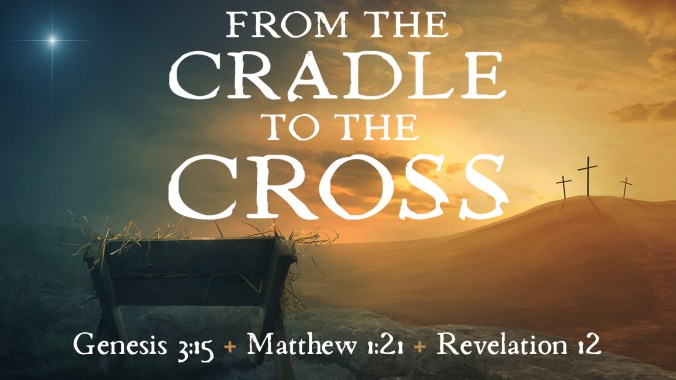 Any time you read Revelation, it is like stepping out of reality and into a carnival of mirrors. Only those mirrors do not, or should not, reflect our own faces, so much as they reflect the prophets of the Old Testament, whose faces were reflected the glory of God’s Son.
 From the time of Moses until now, God’s people have always been a people of the Book. At times, such Word-centeredness has been lost, as in the Late Medieval period or the Modernist era, but in its healthiest moments the church has prioritized God’s Word and has been blessed as a result.

 Via Emmaus