
Photo by Ravi Kant on Pexels.com
Anyone who has spent time reading this blog knows that I’ve done a bit of writing on the Psalms and their canonical shape. Seeing the arrangement of the Psalms not only helps us appreciate how Scripture holds together, it also helps us understand the message of the Psalter. In what follows I want to dig into Psalms 90–106 (Book 4) and show a few ways the arrangement helps discern the message. In particular, I am persuaded these Psalms fit with Israel’s return from exile and the construction of the temple (i.e. the Second Temple).
Since I haven’t seen this argument made much in the literature, I’m floating these ideas here as a way of reading Book 4 as a unified whole. Let me know what you think and if these three observations make sense of how you read the Psalms. Continue reading

 On Sunday, our sermon series took another step in our study of God’s justice. Thus far we’ve seen the
 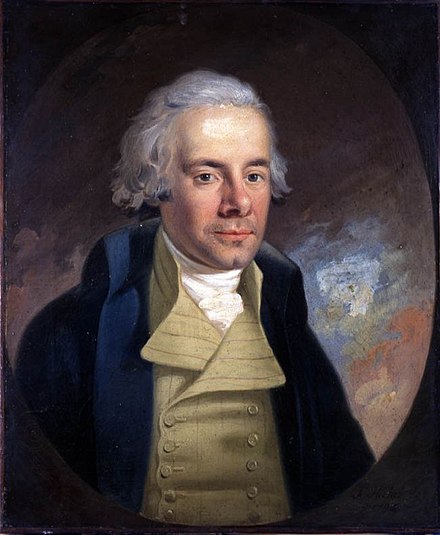 At 4:00am on February 24, 1807, the British Parliament voted to end the British slave trade. With a count of 267 to 16, the House of Commons voted with loud cheers for the abolition of this abominable institution.
 “Autonomy becomes a principle that undermines every authority and all law.”




 Via Emmaus